
Why you should analyze your own games!
Follow these steps and get better at your game!Have you ever finished a chess game and wondered, “What went wrong?” or “How did I miss that move?” You’re not alone! Every chess player from beginner to expert faces those questions. The real secret to getting better isn’t just learning new tactics or openings, but actually learning from your own games. By taking a little time to look back at what happened on the board, you can spot patterns, fix mistakes, and build on your strengths. In this article, you’ll discover simple, practical steps to analyze your own games and why this honest reflection is the true engine behind chess improvement. Let’s dive in.
A Simple, Practical Guide to Game Analysis
1. Skip the Engine. Wait what?
Yes I can understand it’s tempting to put your game right into Stockfish, but believe me, RESIST! Look at your moves first, without computer help. Ask yourself:
- Where did I feel comfortable, and where was I unsure?
- Why did I choose that move? Did I miss something obvious?
- What was my plan? Did it make sense?
Try to identify what you were thinking at each move. Write brief notes if helpful.
2. Find the Critical Moments
You don’t have to review every move in microscopic detail. Focus on:
- Key tactical moments: blunders, missed tactics, sacrifices.
- Strategic decisions: pawn advances, exchanges, piece maneuvers.
- Moments of doubt: where you spent lots of time or felt confused.
Mark these moments for deeper study.
3. Identify “Why”—Not Just “What”
It’s easy to say, “I blundered a pawn.” But why did you miss that? Were you rushing? Did you misjudge the position? Did you forget to check your opponent’s threats? The real learning happens when you dig into the reasons behind mistakes.
4. Use an Engine Wisely
Wait you just told us not to use engine and now you're recommending it? Here me out.
After you review your own game let a strong chess engine point out hidden tactics and alternatives you missed. Compare the engine’s recommendations to your thinking. If you missed something essential, try to understand why. Don’t get discouraged, the goal isn’t perfection, but growth. It doesn't matter at what chesscom / lichess accuracy do you play the game. It's not required to play the best moves at every given point, rather good one's are enough.
5. Don’t Focus Only on Losses
Wins can hide as many errors as defeats. Analyze your victories too they might have gotten away with a risky move, or missed a quicker win. This keeps your improvement balanced.
Tips for Effective and Enjoyable Analysis
- Analyze soon after your game, when your thoughts are fresh.
- Use a real board if possible, it slows you down and helps you visualize.
- Involve a coach, he'll help you to understand things which to some extent an engine won't.
- Don’t obsess over every single move; pick out the most instructive moments.
Final Thoughts
Learning from your own games is a skill you develop, not something that happens overnight. Be patient and honest with yourself. Over time, this habit makes you a much tougher, more self-aware chess player.
Remember: Every master started as a beginner what sets the best apart is the willingness to reflect, learn, and grow from every game played. Start your next analysis with curiosity, not criticism, and watch your understanding soar.
The article was originally published on my website www.themindfulmoves.in
ABOUT ME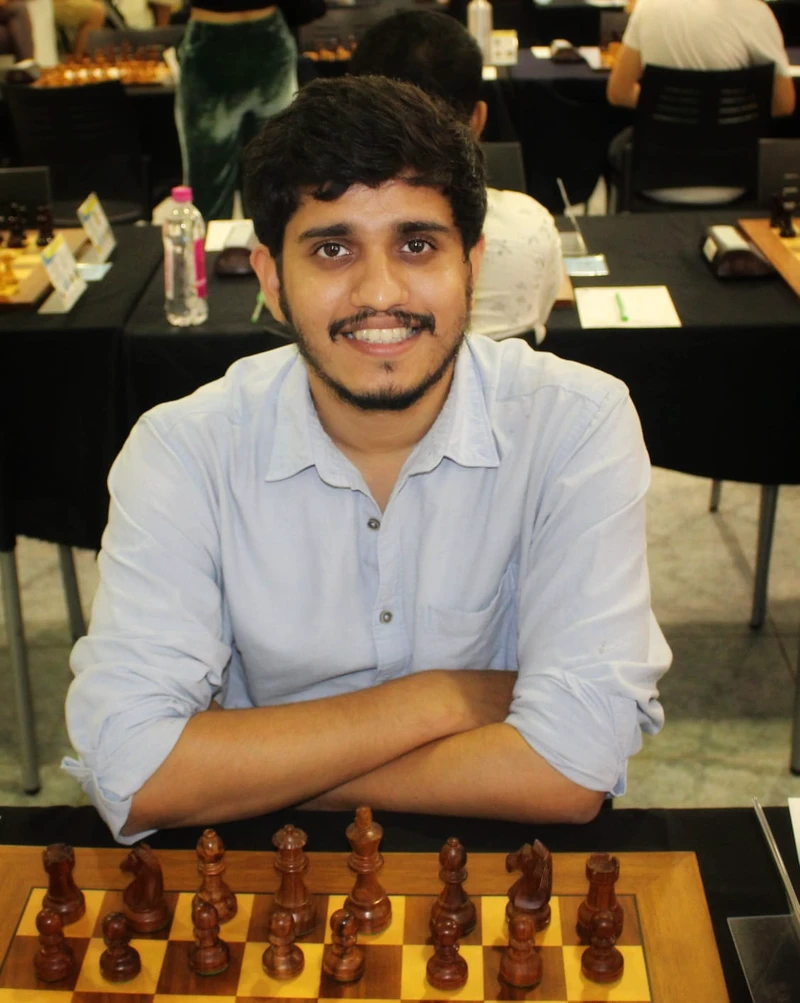
I a Chess player and Coach with a FIDE rating of 2287 and a chess.com rating of well over 2800. I hold the esteemed title of FIDE Instructor. I have been a professional player for more than 16 years and have been coaching for the last 7 years.
You may also like
 CM ved1703
From 800 to 1600: One adult Improvers Real journey
Adult Improvers! This is for you. 5 Minutes is all you have to give. CM ved1703
Why Strong Players Slow Down When They’re Clearly Winning!
You’re winning, your opponent is low on time—and that’s exactly the moment when one careless move ca… CM ved1703
6 Important things to do before playing a OTB game!
Playing over the board chess just got easier! CM ved1703