
Are all rook endgames drawn?
A clear and fresh look at the king of endgamesRook endgames are often considered one of the most complex and instructive phases, and have been heavily studied as they are the most common endgame. Unlike other minor piece or queen endgames, rook endgames often lead to drawn positions, even when one side has a material advantage of one or two pawns. This raises the question: why are rook endgames so prone to being drawn? One reason lies in the unique interaction between pawns and rooks that we will describe below, comparing them to minor piece or queen endgames.
In rook endgames, pawns are not as relatively powerful as in minor piece endgames: when a pawn approaches its promotion square, the defending rook can almost always sacrifice itself for that pawn, which minor pieces often cannot do. After the sacrifice, the defending side can create threats with its king and pawns, which the attacking rook cannot effectively control.
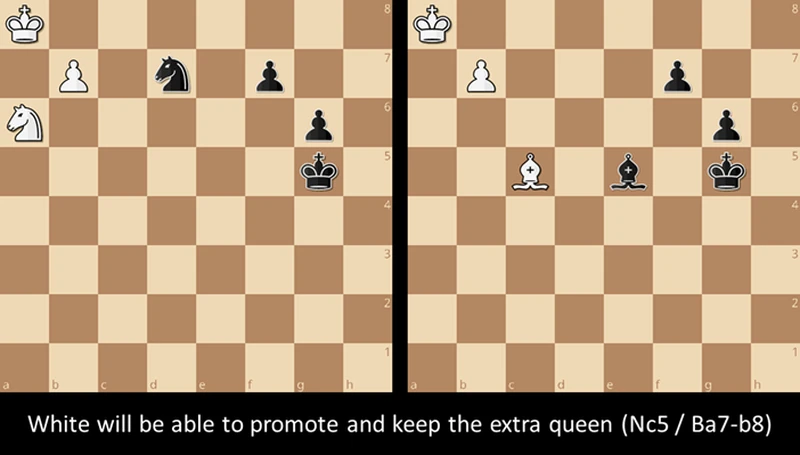
In queen endgames, the defending side's piece can also be sacrificed for the promoting pawn, but then the remaining queen can easily stop the counterplay of the weaker side's king and pawns. By comparison, we deduce the situation that is unique to rook endgames: the rook is powerful enough to sacrifice itself for the strong side's passed pawn, but it is not powerful enough to control the counterplay that arises when the defending side's king and pawns are activated after that sacrifice.
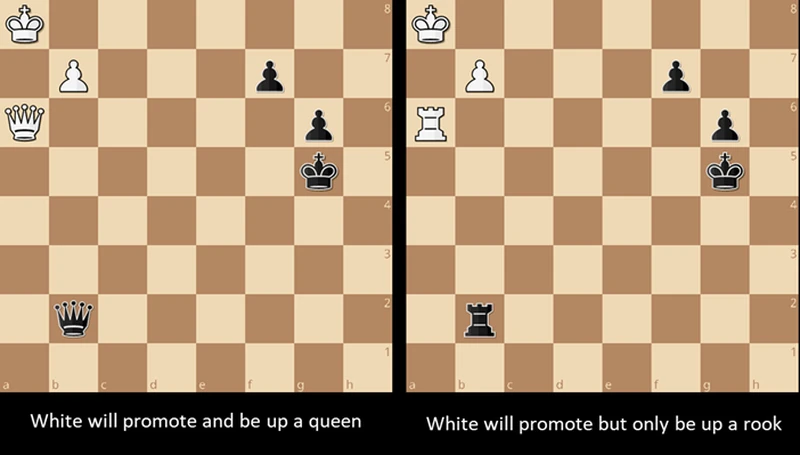
This is a critical distinction compared to other endgames, where we always see a queen stopping the defensive counterplay: in minor piece endgames the promoted queen; in queen endgames, the original queen.
This dynamic we have described is what makes rook endgames so tricky to convert and why they often result in drawn positions. Understanding these subtleties can primarily help players decide which endgame to enter, but also make better decisions in rook endgames, knowing when they can fight for a win and when they should settle for a draw.
That's all for today's blog, thanks for your attention!
Juan


